Study brings to light new picture of intimate relationships among older adults
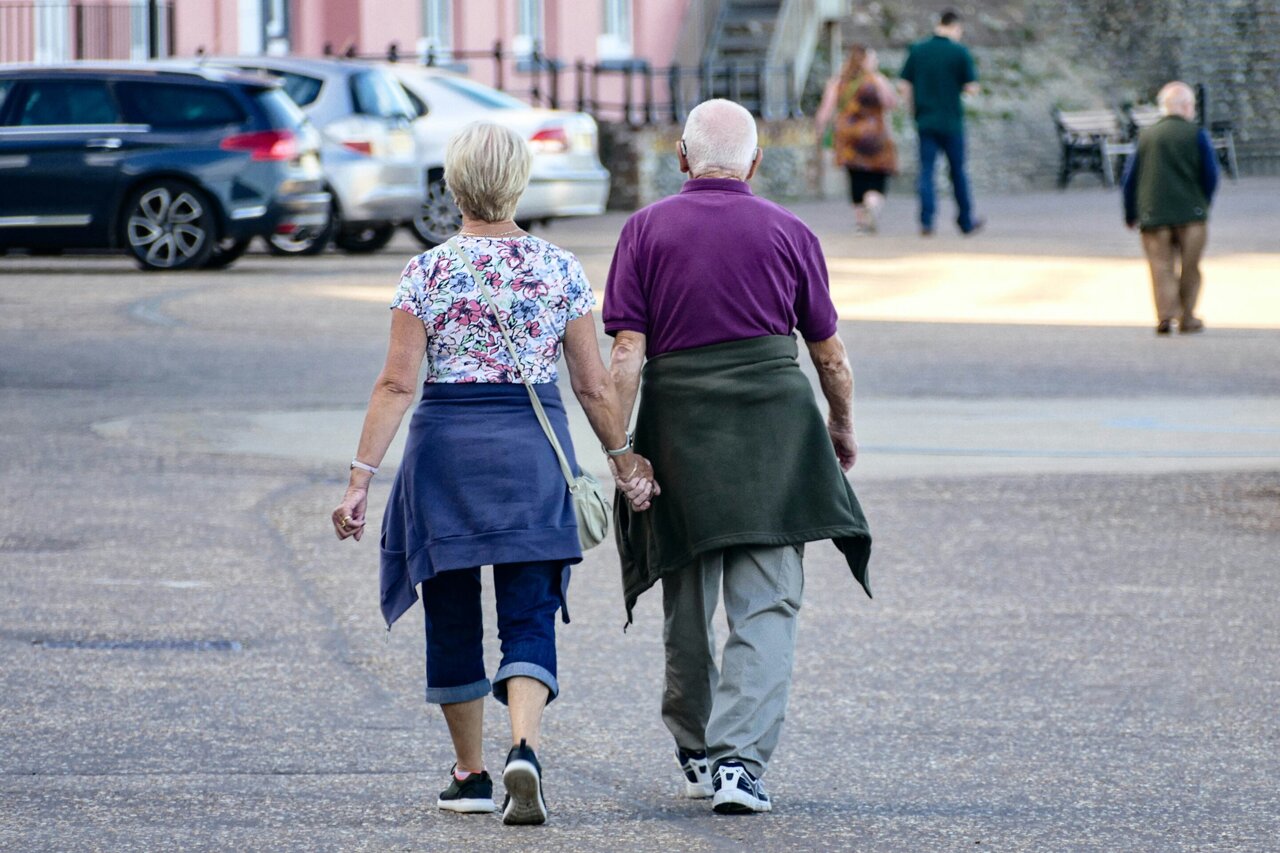
Research from Lancaster University and University College London suggests that couples in the UK over the age of 60 are increasingly adopting a live-apart-together arrangement.
Approximately 72% of heterosexual couples in the US live apart together in a steady and intimate relationship.
A recent study discovered that around 4% of individuals over 60 years old in the UK live with a partner, but are not married, a trend similar to those observed in the US, Netherlands, and Canada. When seniors over 60 begin forming new relationships, living apart together (LAT) becomes the most favored arrangement.
For women aged 60 and older who are single, living apart together (LAT) is around ten times more likely to be their preferred relationship destination than living with a partner or getting married. Additionally, males in this age group are also approximately ten times more likely to choose LAT over marriage, and about twenty times more likely to prefer LAT over cohabitation.
According to a study, retirees living with friends or family still in a romantic relationship report better mental well-being.
There had previously been the notion that the lifestyle arrangement of living together without being married (LAT) was more commonly used among younger people, while older individuals tend to favor more traditional forms of relationships like marriage and cohabitation.
Separate-living couples living together—known as Living Apart Together (LAT)—is a common arrangement for older adults in intimate relationships. Unlike previous studies that have explored the mental health advantages of marriage and sharing a household, this study is the first national investigation of LAT's impact on older adults' mental wellbeing.
.
The research was a joint effort between Professor Yang Hu of Lancaster University and Associate Professor Rory Coulter of the University of College London. The study relies on data from a long-term UK survey that collected information from 2011 to 2023 and analyzed long-term trends.
Researchers used two standard mental health assessments (GHQ and SF12) to measure both negative mental health symptoms (such as feelings of loneliness, sadness, or depression) and positive mental well-being (such as feelings of energy, usefulness, and confidence in handling problems) among older adults.
Older adults who keep living apart together (LAT) tend to have lower mental distress and better mental well-being than those who are married or simply single, and the mental health benefits of LAT are similar to those of being in a marriage or a cohabiting relationship.
In terms of mental health benefits, becoming a living apart together (LAT) couple tends to have a somewhat smaller positive impact compared to entering into a marriage or forming a cohabiting partnership.
The study found that when individuals end a living arrangement, whether it's a marriage or a cohabitation situation, their mental health tends to decline, according to the research. However, this negative impact is significantly less pronounced for those ending a Live-in Relationship Agreement (LAT).
It appears that LAT suggests a balanced alternative for older adults looking for a partnership: slightly less improvement in mental health but significantly less exposure to risk.
It's likely that the tendency for older adults to choose the "living apart together" option may be largely due to their desire to avoid involved legal steps like divorce or splitting assets, such as when they own property together.
This study reveals that LAT brings about equal mental health benefits for older women and men, rather than men enjoying more benefits than women, which was previously found in marriages and cohabitations.
When considering intimate partnerships, many of us tend to think of couples living together under one roof," notes Professor Coulter, "yet our research sheds light on the diverse life situations older individuals face, highlighting the significance of intimate connections that extend beyond shared living arrangements.
Professor Hu said, "Traditionally, societies and governments have made it clear that strong household units are essential for individuals' well-being, but our research suggests that looking past just the household is necessary for understanding how to build stronger families and communities."
It's time to acknowledge and appreciate the significant, though often unseen, close relationships beyond the family household that play a crucial role in supporting the overall well-being of older adults.
(2024).
Provided by Lancaster University
Stay up-to-date on the latest advancements in science and technology.
Post a Comment for "Study brings to light new picture of intimate relationships among older adults"