Mike Johnson Gives Update on Plans for Social Security
Tuesday.
Johnson stated his commitment to seeing continued financial support for them.
Why It Matters
Approximately 70 million American citizens live off of their Social Security benefits, particularly retirees who greatly rely on these monthly payments during their retirement years.
Unfortunately, the Social Security Administration is currently facing a funding emergency. If no adjustments are made, the program's financial reserves are projected to be depleted by 2035, leaving it unable to make full payments.
Suggestions to slash the program or increase the retirement age to balance Social Security's finances have not been well-received by the public.
The state, which has a substantial older, retired voter demographic.
What To Know
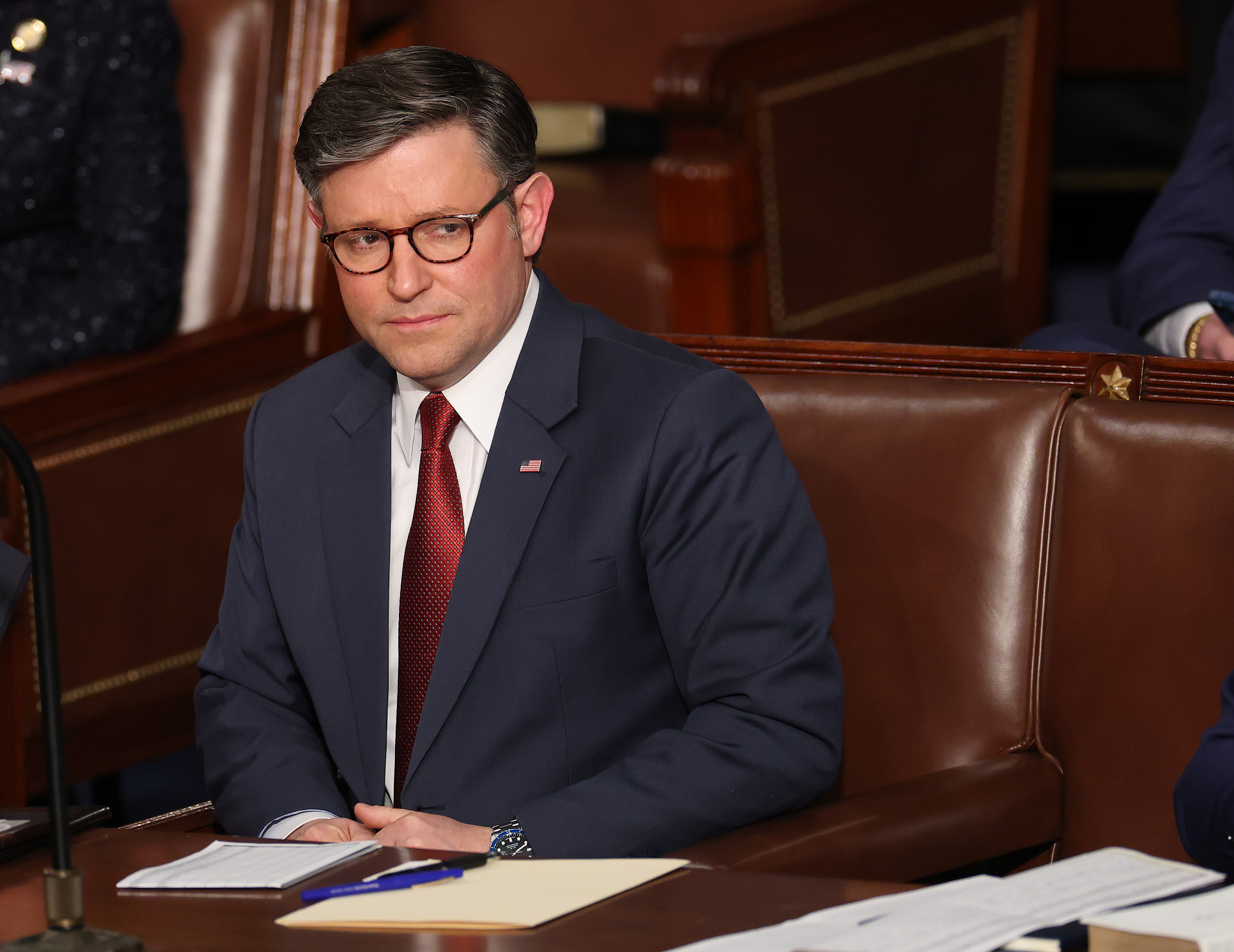
"The president has made it abundantly clear that Social Security and Medicare must be protected," Johnson stated during a press briefing on Tuesday.
We're not looking to cut benefits in any way, but we need to scrutinize all expenditures thoroughly while still meeting our obligations.
Johnson went on to explain that the Republican Party has no intention of reducing benefits, but they anticipate conducting a thorough examination of certain areas where fraud and wasteful spending are likely to be found.
What People Are Saying
They intend to honor their pledge not to reduce Social Security benefits. I think they'll sidestep the issue instead, letting future administrations deal with it. Nevertheless, if Trump wants to leave a lasting impact, something in line with his personality, he may try to strengthen these programs, thereby securing his place in history, much like how FDR did with Social Security.
President Johnson is supporting Trump's pledge to keep Social Security solvent without making any cuts, which appears to be a low-risk move. Social Security is a contentious issue for current and future recipients, who have earned the right to receive the benefits they've paid into over their working lives. Making significant changes could severely impact the party in office, making it a risk they're likely hesitant to take. Nonetheless, considerable adjustments will need to be made in the long run to secure the program's future. The challenge is finding a way to implement these changes without placing the burden on any one party.
Proposed legislation primarily focuses on income-based testing and affordable cost-of-living adjustments, potentially with an increase in the base benefit amount for the most economically vulnerable retirees.
What Happens Next
Without any major changes to Social Security, Thompson pointed out that its future is unclear. Unless adjustments are made, it's estimated that those relying on the program will likely experience a benefit reduction of about 20 percent by 2035.
This is due in part to the large number of Baby Boomers retiring, resulting in fewer working-age individuals contributing to the system.
'Significant measures to address the funding shortfall must be taken, which could include increasing the portion of paychecks taken from working-class Americans through the payroll tax or raising federal taxes to cover the gap," Thompson stated. "However, these solutions are highly unpopular with the public, so the prospects for meaningful reform are difficult to achieve."
Related Articles
- Will the Social Security Fairness Act Deplete the Social Security Trust Funds?
- SSA Unveils Proposed Payment Plan: Beneficiaries Eligible for Retroactive Checks Valued at $4,320
- Some Social Security Recipients May Face Increased Tax Burdens
- A Blunders Video of Joe Biden Singing 'Happy Birthday' Goes Viral

Post a Comment for "Mike Johnson Gives Update on Plans for Social Security"