Florida Court Makes Major Ruling on Insurance Market
A Florida appeals court made a decision last week that a "direction to pay" (DTP) from an insurance policy holder is not the same as an "assignment of benefits" (AOB).
The state had a law, known as Bill 2-A, that made a change. It stopped the practice of allowing people to assign the benefits from their insurance policies to someone else, starting from January 1 of that year. The purpose of this change was to prevent third parties from taking advantage of insurance companies by suing them for a profit, a problem that had occurred too many times in the past.
Why It Matters
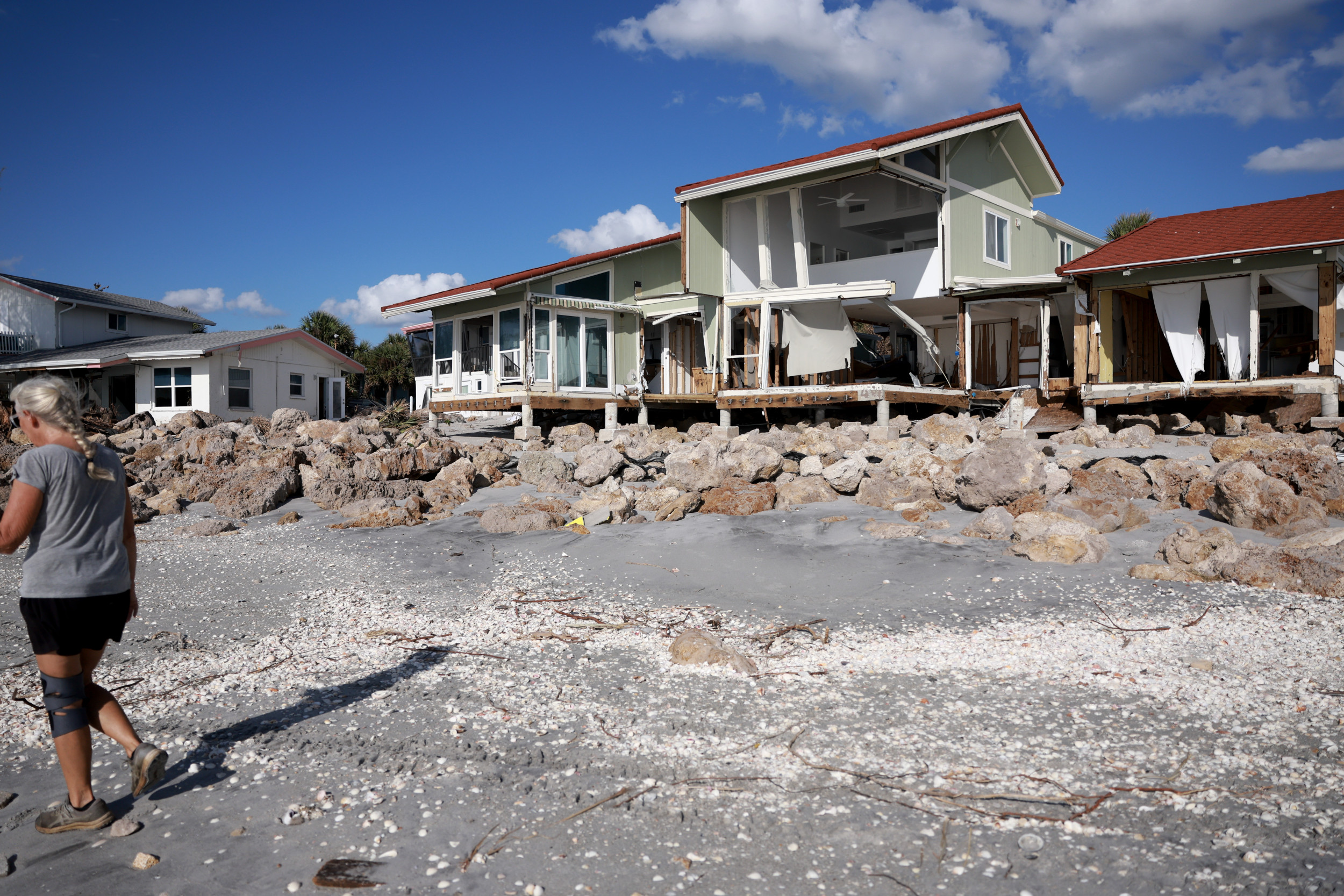
The court's decision occurs as Florida is taking substantial steps to resolve the key issues contributing to the severe homeowners insurance crisis in the state, including the higher threat of climate-related disasters, a large number of fraudulent claims, and recurrent, unjustified lawsuits.
Critics have long pointed out that Florida's regulations on Assignment of Benefits allow third parties to file an excessive number of lawsuits against insurance companies and reap financial rewards, which has ultimately led to increasing premium costs. In 2020, a staggering 79% of all homeowner insurance lawsuits in the US were in Florida, despite the state only accounting for 9% of the country's homeowner insurance claims, according to the Florida Office of Insurance Regulation.
Many insurance companies are having trouble keeping up with the higher number of big claims they have to pay--mainly due to the risk of excessive lawsuits or the growing intensity and frequency of natural disasters. As a result, some have decided to stop covering certain areas or even leave the state completely. This has made it hard for Florida homeowners to get coverage and has led to a big increase in the number of policyholders at the state's last resort insurance company, Citizens Property Insurance Corporation.
What To Know
Florida's Fifth District Court of Appeal upheld the decision of a lower court in a case involving Leonardo Caruso, a resident of The Villages. He is involved in a lawsuit against his insurance company American Integrity Insurance Co. and Holding Insurance Companies Accountable (HICA).
What's The Case About?
Caruso has a home in The Villages, a large retirement community in Florida with a population of over 130,000 residents aged 55 and above.
In 2019, after his house was damaged with a roof leak, Caruso picked Noland's Roofing to do the repairs. According to a court document, he sent an instruction to his insurance company, American Integrity, saying to pay the repair bill directly to the roofing company. This type of instruction is called a Direct Transfer Payment (DTP), which lets the person with the insurance policy, in this case Caruso, tell their insurance company to send payment to a third party.
In 2020, after he received the valuation of his claim from American Integrity, the homeowner signed an Assignment of Benefits (AOB) with HICA, an organization that helps policyholders assert their rights. An AOB is a document signed by a policyholder that grants permission to a third party to seek payment directly from the insurance company acting as if they were the insured.
HICA then took legal action against American Integrity, claiming that the company had violated a contract by not paying the full amount of Caruso's claim as specified in the DTP agreement. The primary intention behind this lawsuit was for HICA to collect payment from the insurance companies that covered Caruso.
What Was The Ruling of the Court?
The Florida appeals court confirmed the lower court's ruling on Friday, agreeing with the previous decision, which stated that "HICA did not have the authority to file a lawsuit because the assignment it was based on didn't meet the requirements of the governing law."
The revised AOB law specifically prohibits policyholders from assigning their insurance benefits to other parties to submit claims and receive compensation.
The court determined that HICA lacks the authority to take legal action against American Integrity due to the absence of a valid agreement.
What People Are Saying
In its ruling, the court stated that HICA's agreement is being used as an "assignment agreement". The law requires that all such agreements must comply with all other provisions of the statute.
The assignment in question was not executed properly, making it "invalid and unenforceable." As a result, HICA cannot pursue a lawsuit against American Integrity for allegedly violating Caruso's insurance policy because it lacks the authority to do so.
People generally believe the reason for the financial losses is due to the overwhelming burden of lawsuits.
The Florida property insurance market has experienced a notable stabilization in recent times, largely attributed to legislative interventions aimed at mitigating a man-made crisis spawned by widespread claims abuse and fraud through the legal system.
What Happens Next
According to Friedlander, the Florida property insurance market is currently its strongest financially in over a decade.
Despite recent progress, the market is still in a fragile situation, particularly as it continues to struggle to develop a long-term plan to mitigate the increasing threat of climate change.
Related Articles
- Florida Republican State Representative Byron Donalds is pushing a bill to replace the Northern Mockingbird with the Bluebird as the official state bird.
- A recent map of Florida highlights cities that are expected to be hit with below-freezing temperatures due to an approaching cold front.
- Miss America: Alabama's Abbie Dagman is awarded the 2025 title.
- **Winter Weather Alert: Frigid Temperatures Expected in the Deep South**

Post a Comment for "Florida Court Makes Major Ruling on Insurance Market"